Finding the perfect Jiu Jitsu Gi requires understanding sizing nuances; a proper fit enhances performance, comfort, and safety during training and competition․
Why Gi Size Matters
A well-fitted Gi is paramount in Brazilian Jiu Jitsu, directly impacting your ability to move freely and effectively․ A Gi that’s too large can be grabbed easily, hindering your defense and offense, while a restrictive Gi limits your range of motion, stifling technique execution․
Comfort is also crucial; an ill-fitting Gi causes chafing and distraction․ Safety is enhanced with a secure fit, preventing tripping hazards or entanglement․ Ultimately, the right size boosts confidence and allows you to focus entirely on learning and progressing in your Jiu Jitsu journey․
Understanding Gi Materials and Shrinkage
Gi materials, typically cotton, significantly impact sizing due to shrinkage․ Pre-shrunk Gis minimize this, but some contraction still occurs․ Non-pre-shrunk Gis can shrink considerably, especially with hot water washing and machine drying․
Twill, a common weave, generally shrinks less than ripstop․ Considering shrinkage is vital when selecting a size; erring on the larger side is often advisable for non-pre-shrunk options․ Always check the manufacturer’s care instructions to understand potential shrinkage and maintain your Gi’s fit and longevity․
Standard Gi Size Chart
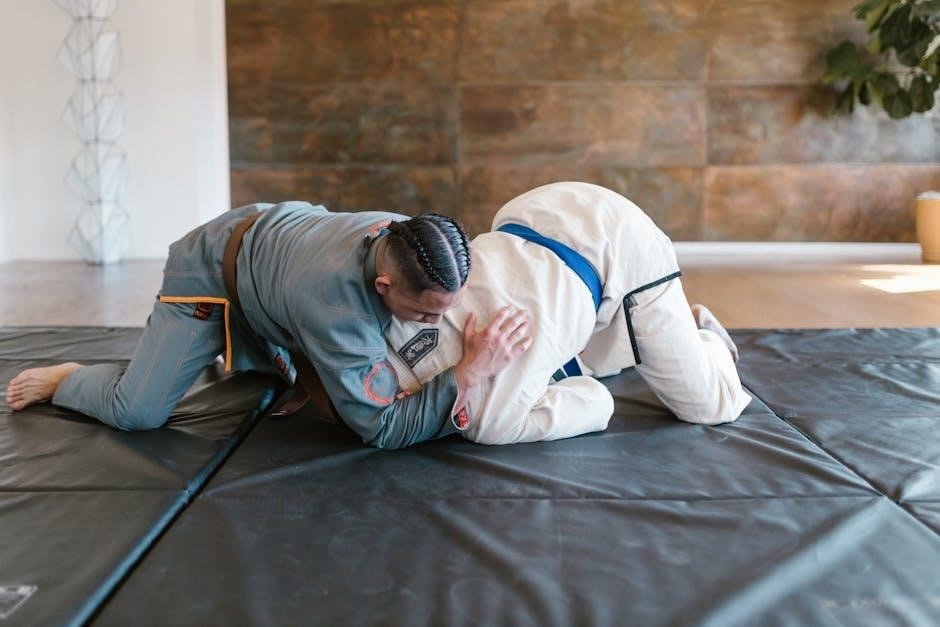
Standard Gi sizes range from A0 to A5, catering to various body types; understanding these designations is crucial for selecting the appropriate fit for training․
Decoding A0, A1, A2, A3, A4, A5 Sizes
Gi sizing utilizes a letter-number system, starting with A0 for the smallest and progressing to A5 for the largest․ A0 typically fits individuals around 5’3” and under, while A1 suits those approximately 5’4” to 5’7”․ A2 generally accommodates heights between 5’8” and 5’11”, and A3 is designed for individuals around 6’0”․
A4 fits those approximately 6’1” to 6’3”, and A5 is for individuals taller than 6’3”․ However, these are merely starting points; weight plays a significant role․ It’s common for individuals to fall between sizes, necessitating consideration of fit preference – slim or traditional – and potential shrinkage․
Height and Weight Guidelines
While Gi sizing charts offer height and weight suggestions, they serve as general guidelines, not definitive rules․ A common starting point suggests A2 for individuals weighing 150-180lbs and standing 5’8” to 5’11”․ A3 often suits those between 180-200lbs and around 6’0”․
However, body type significantly impacts fit․ Muscular builds may require sizing up, while leaner frames might benefit from sizing down․ Always prioritize a snug, yet comfortable fit allowing for a full range of motion․ Remember that shrinkage is a factor, especially with non-pre-shrunk Gis, influencing the final fit․
Brand-Specific Sizing Variations
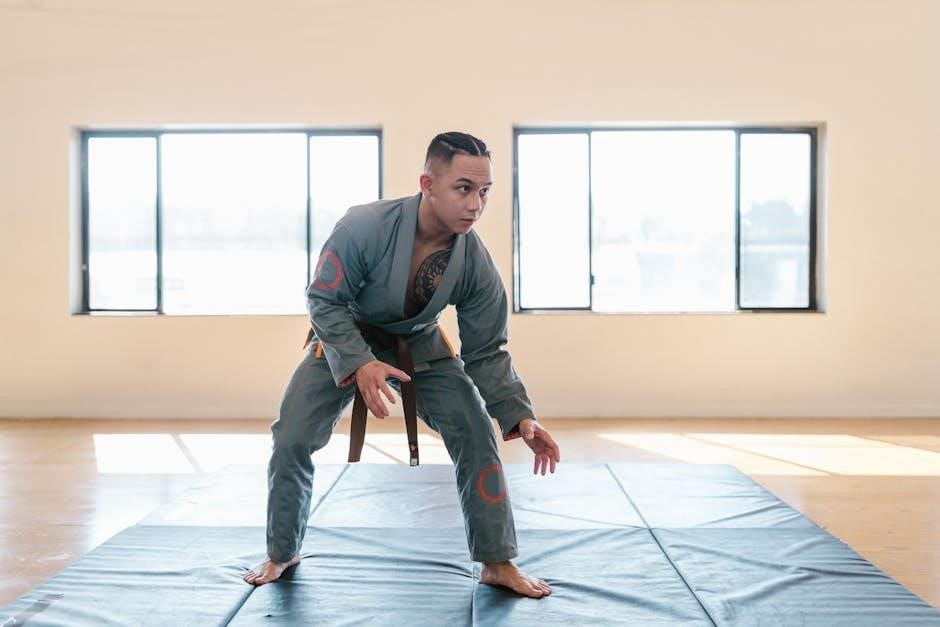
Gi sizing isn’t universal; brands like Tatami, Scramble, and Kingz have unique cuts and fits, necessitating careful consideration when choosing your Gi size․
Tatami Gi Sizing
Tatami Fightwear is a popular brand known for its quality Gis and consistent sizing, though variations still exist within their product lines․ Many practitioners find Tatami Gis to run a bit more true to size compared to some other brands, but it’s always wise to check specific product details․
Notably, Tatami offers “L” (Long) sizes, proportionally longer in the sleeves and pants, ideal for taller individuals․ Considering ripstop pants from Tatami is a good idea, as they tend to shrink less than twill options․ Checking their size chart and reading reviews specific to the Gi model you’re interested in is highly recommended before purchasing․
Scramble Gi Sizing
Scramble Brand Gis are also highly regarded within the Jiu Jitsu community, and like Tatami, they offer “L” (Long) sizes for those with longer limbs․ These proportionally extended sizes can be a lifesaver for taller athletes struggling to find a comfortable fit․
Scramble’s “Standard Issue” Gis often feature ripstop pants, which are known for minimal shrinkage, a valuable characteristic for maintaining the Gi’s fit after washing․ Given the potential for size discrepancies, taking advantage of Scramble’s free returns (at least within the UK) to swap sizes is a smart strategy․
Kingz Gi Sizing
Unfortunately, the provided text snippets do not contain specific information regarding Kingz Gi sizing․ However, generally, finding the right Kingz Gi size involves similar considerations as other brands – height, weight, and desired fit․
Kingz often provides detailed size charts on their website, specifying measurements for chest, sleeve length, and inseam․ It’s crucial to consult these charts directly, as sizing can vary between different Kingz Gi models․ Considering potential shrinkage, especially with non-pre-shrunk options, is also vital when selecting your size․

Measuring Yourself for a Gi
Accurate measurements of your chest, sleeve length, shoulder width, and inseam are essential for determining your optimal Gi size and ensuring a comfortable fit․
Chest Measurement
To obtain an accurate chest measurement, stand relaxed with your arms at your sides․ Use a flexible measuring tape and wrap it around the fullest part of your chest, keeping the tape level and snug, but not tight․ Ensure you are breathing normally during this process, as taking a deep breath can alter the measurement․ Record the measurement in inches or centimeters․ This measurement is crucial as it directly impacts the overall fit of the Gi jacket․ A chest measurement that falls between sizes often suggests opting for the larger size, especially if you anticipate shrinkage after washing․ Remember, a comfortable chest fit allows for a full range of motion during grappling․
Sleeve Length Measurement
Accurately measuring sleeve length is vital for a proper Gi fit, impacting both comfort and adherence to competition regulations․ Start by measuring from the center of your back (where a collar would sit) across your shoulder, and down to your wrist bone․ Keep your arm slightly bent during measurement․ This measurement determines whether the sleeves will be long enough to provide adequate coverage during rolling and competition․ Sleeve length is often a key factor when choosing between sizes, particularly for individuals with longer or shorter arms․ Ensure the sleeve isn’t restrictive, allowing for full movement․
Shoulder Width Measurement
Determining your shoulder width is crucial for ensuring a comfortable and unrestricted fit across the upper body of your Gi․ Measure from the outermost point of one shoulder to the outermost point of the other, keeping the measuring tape straight․ This measurement impacts how the Gi feels during movement and grappling․ A Gi too narrow in the shoulders will restrict range of motion, while one too wide may feel bulky and insecure․ Consider this measurement alongside chest size for the best overall fit․ Proper shoulder width ensures optimal performance on the mats․
Inseam Measurement
Accurately measuring your inseam is vital for ensuring the Gi pants fit correctly, preventing tripping hazards and allowing for unrestricted leg movement during training and rolling․ Measure from the crotch down to where you want the pants to end, typically around the ankle bone․ Consider your preference for pant length – some practitioners prefer a slightly shorter or longer cut․ This measurement, combined with height and weight, helps determine the appropriate Gi size․ Incorrect inseam length can significantly impact comfort and mobility on the mats, hindering performance․

Gi Fit Preferences
Gi fit is subjective; some prefer a slim, athletic cut for mobility, while others favor a traditional, looser fit for comfort and a classic aesthetic․
Slim Fit vs․ Traditional Fit
Choosing between a slim or traditional Gi fit significantly impacts your training experience․ Slim fit Gis are tailored closer to the body, offering enhanced mobility and a modern aesthetic, often preferred by competitors seeking a performance edge․ They restrict opponent grips slightly, but can feel restrictive for some․
Traditional fit Gis provide a looser, more comfortable feel, allowing for a greater range of motion and accommodating different body types․ This style is favored by those prioritizing comfort and a classic look․ However, the extra fabric can be grabbed during rolls, potentially hindering movement․ Ultimately, the best fit depends on personal preference and training style․
Competition Gi Fit Requirements
Brazilian Jiu-Jitsu competitions enforce strict Gi fit regulations to ensure fair play and safety․ Gis must adhere to specific guidelines regarding sleeve length, pant length, and overall fit, preventing excessively loose or tight clothing․ Sleeves should reach the wrist with extended arms, and pants must cover the ankles․
Excessively baggy Gis are prohibited as they offer grip advantages, while overly tight Gis restrict movement and can be deemed unsafe․ Referees meticulously inspect Gis before matches, disqualifying competitors with non-compliant attire․ Understanding these rules is crucial for competitive practitioners to avoid penalties and focus solely on their technique․

Dealing with Gi Shrinkage
Gi shrinkage is common; pre-shrunk Gis minimize this, while others require careful washing and drying to avoid significant size reduction and maintain fit․
Pre-Shrunk vs․ Non-Pre-Shrunk Gis
Understanding the difference between pre-shrunk and non-pre-shrunk Gis is crucial for accurate sizing․ Pre-shrunk Gis undergo a washing process before sale, minimizing substantial shrinkage after purchase․ These are generally a safer bet for those wanting a consistent fit․ However, some minimal shrinkage can still occur․
Non-pre-shrunk Gis, conversely, will shrink – sometimes significantly – upon the first few washes․ It’s often recommended to order a size or two up with these to account for the expected reduction․ Ripstop pants tend to shrink less than twill, offering more sizing stability․ Always check the manufacturer’s recommendations regarding shrinkage expectations․
Washing and Drying Instructions
Proper Gi care significantly impacts its fit and longevity․ Always check the label, but generally, wash your Gi inside out in cold water on a gentle cycle․ Avoid using harsh detergents or bleach, as these can damage the fabric and accelerate shrinkage․ Separate your Gi from other clothing to prevent dye transfer․
Drying is equally important․ While line drying is the gentlest method, tumble drying on low heat is acceptable for some Gis․ High heat will almost certainly cause excessive shrinkage․ Removing the Gi promptly after drying can also help maintain its shape and size․
Women’s and Kids’ Gi Sizing
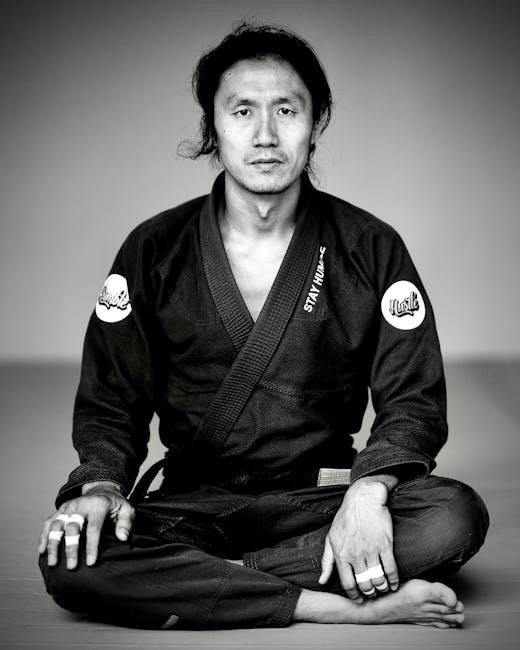
Women’s Gis offer tailored cuts for a better fit, while kids’ sizing charts differ significantly, focusing on age and weight for optimal comfort․
Women’s Specific Cuts
Traditionally, Jiu Jitsu Gis were designed with a male physique in mind, often resulting in an ill-fitting experience for women․ Women’s specific cuts address this by offering a more tailored silhouette․ These Gis typically feature a narrower shoulder width, a more defined waist, and often, shorter sleeve and pant lengths․
The goal is to provide a comfortable and functional fit that doesn’t hinder movement or create excess fabric․ Many brands now offer dedicated women’s lines, recognizing the growing number of female practitioners․ When selecting a women’s Gi, it’s still important to consult the brand’s size chart, as variations exist․ Prioritizing a snug, yet unrestricted fit is key for optimal performance․
Kids’ Gi Sizing Chart
Sizing Gis for children differs significantly from adult sizing due to their rapid growth․ Kids’ Gi sizes typically range from K0 to K3, though some brands may extend this range․ Height and weight are crucial factors, but remember children of the same age can vary greatly in size․
Always measure your child’s height and weight and compare it to the specific brand’s size chart․ It’s often advisable to size up, allowing room for growth and potential shrinkage after washing․ A Gi that is too large can be cumbersome and unsafe, while one that is too small restricts movement․ Prioritize comfort and a secure fit for a positive experience․
Long/Tall Gi Options
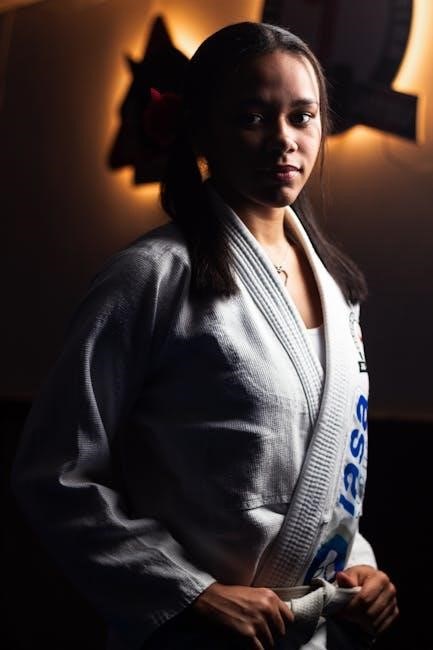
For taller practitioners, A2L, A3L, and A4L Gis offer extended sleeve and pant lengths, ensuring a comfortable and functional fit on the mats․
A2L, A3L, A4L Sizes Explained
Long or “L” sizes in Jiu Jitsu Gis are specifically designed for individuals with longer limbs and torsos, addressing a common fit issue for taller practitioners․ These sizes—A2L, A3L, and A4L—maintain the same chest and shoulder width as their standard counterparts (A2, A3, A4) but feature proportionally longer sleeves and pant legs․
Essentially, the “L” denotes an added length, preventing the Gi from riding up during movement or feeling restrictive․ If you find standard sizes consistently too short in the arms or legs, an “L” size is likely the solution․ Brands like Tatami and Scramble frequently offer these extended sizes, recognizing the diverse body types within the BJJ community․
Troubleshooting Gi Fit Issues
Addressing fit problems is common; solutions range from alterations to exchanges, ensuring optimal performance and comfort on the mats with your Jiu Jitsu Gi․
Gi Too Big: Solutions
If your Gi feels excessively loose, several options can improve the fit․ Firstly, consider washing and drying the Gi – especially if it’s a non-pre-shrunk model – as this can cause significant shrinkage․ Secondly, a tailor can expertly alter the Gi, shortening the sleeves and pants for a more customized fit․ Alternatively, utilizing a Gi belt worn lower on the hips can help cinch in the waist, providing a more secure feel․ Remember that extra fabric can be a safety hazard, potentially hindering movement and creating grips for opponents․ Prioritize a snug, yet comfortable, fit for optimal performance․
Gi Too Small: Solutions
When a Gi restricts movement due to its small size, options are limited but exist․ Stretching the Gi, particularly the pants, can provide minimal relief, but avoid excessive force that could damage the fabric․ Consider exchanging the Gi for a larger size if possible, especially if purchased from a retailer with a flexible return policy․ Alternatively, if the Gi is only slightly too small, wearing a rashguard underneath can offer a layer of comfort and prevent chafing․ Ultimately, a Gi that’s too small compromises technique and safety, making replacement the best long-term solution․
Resources for Gi Sizing
Numerous online Gi size charts and retailer guides are available to assist in finding the perfect fit for your Jiu Jitsu Gi․
Online Gi Size Charts
Many websites offer comprehensive Jiu Jitsu Gi size charts, providing a starting point for determining your ideal size․ These charts typically list measurements for height and weight, correlating them to standard Gi sizes like A0 through A5․ However, remember these are general guidelines, and variations exist between brands․
Elite Sports and Gold BJJ are examples of brands with detailed charts available on their websites․ Always consult multiple charts and compare them to your own measurements for a more accurate assessment․ Be aware that some charts may be unisex, while others offer specific sizing for women or children․ Utilizing these resources can significantly streamline the Gi selection process․
Retailer Sizing Guides
Beyond brand-specific charts, many retailers specializing in Brazilian Jiu Jitsu gear provide their own sizing guides․ These guides often incorporate customer feedback and address common fit issues, offering more practical advice․ They may include detailed measurement instructions and comparisons between different brands carried in their store․
Reputable retailers understand the importance of a proper Gi fit and strive to assist customers in making informed decisions․ Look for retailers offering return policies, allowing you to exchange sizes if needed, as suggested for Tatami and Scramble․ Utilizing these resources, alongside brand charts, increases your chances of finding a perfectly fitting Gi․