The Alaska Roadside Anglers Guide: An Overview
Planning an Alaskan adventure? This guide details accessible fishing spots, regulations, and essential gear for roadside angling, ensuring a memorable experience․
Discover prime locations like Ketchikan, Juneau, Anchorage, and the Kenai Peninsula, alongside techniques for salmon, trout, and grayling․
Explore Denali and Richardson Highway access points, prioritizing safety, conservation, and respecting Alaska’s unique wildlife and local communities during your trip․
Alaska presents an unparalleled opportunity for anglers seeking convenience and breathtaking scenery․ Roadside fishing offers accessibility without requiring boats or lengthy hikes, opening the vast Alaskan wilderness to a wider range of fishing enthusiasts․ From the scenic highways of Southeast Alaska to the expansive routes of the Interior, numerous locations provide direct access to productive waters․
This guide focuses on maximizing your angling success from easily reachable spots, detailing key species like salmon, trout, and grayling․ Understanding Alaska’s unique regulations is crucial, as are considerations for safety and responsible angling practices․ Whether you’re a seasoned angler or a beginner, roadside fishing in Alaska promises an unforgettable experience, blending the thrill of the catch with the beauty of the Last Frontier․ Prepare to explore diverse ecosystems and create lasting memories!
Understanding Alaska’s Fishing Regulations
Navigating Alaska’s fishing regulations is paramount for a legal and sustainable angling experience․ The Alaska Department of Fish and Game (ADF&G) establishes annual rules regarding species-specific limits, gear restrictions, and open/closed seasons․ These regulations vary significantly by region and even specific waterways, demanding thorough research before casting a line․
Anglers must possess a valid Alaska fishing license, readily available online or from authorized vendors․ Understanding bag limits – the maximum number of fish you can retain – is critical, as is awareness of size restrictions․ Certain areas may require special permits or have unique regulations protecting vulnerable stocks․ Always consult the ADF&G’s Sport Fishing Regulations booklet or website for the most up-to-date information, ensuring responsible and compliant participation in Alaska’s incredible fishery․
Prime Roadside Fishing Locations
Alaska boasts numerous accessible fishing spots! From Southeast’s Ketchikan and Juneau to Southcentral’s Anchorage and the Kenai Peninsula, opportunities abound for anglers․
Southeast Alaska Roadside Spots
Southeast Alaska presents exceptional roadside angling opportunities, particularly around Ketchikan and Juneau, offering stunning scenery alongside productive fishing․ Near Ketchikan, several pull-offs along the Tongass Highway provide access to creeks and rivers teeming with salmon during their runs․ These spots are often easily reached and require minimal hiking, making them ideal for families and those with limited mobility․
The Juneau area boasts similar accessibility, with roadside access to streams like Jordan Creek and Cowee Creek․ These locations are renowned for their pink and chum salmon runs, and occasionally, larger Chinook salmon․ Remember to check local regulations regarding species-specific limits and closures․ Exploring these areas requires awareness of bear activity; always carry bear spray and practice safe food storage․
Detailed maps and local fishing reports are invaluable resources for maximizing your success in Southeast Alaska’s roadside fisheries․
Fishing near Ketchikan
Ketchikan’s proximity to rich salmon spawning grounds makes it a premier destination for roadside anglers․ The Tongass Highway offers numerous pull-offs granting access to creeks and smaller rivers, frequently holding pink, chum, and coho salmon․ Careful observation of water conditions and run timing is crucial for success․
Popular spots include locations along the Ward Creek drainage and near the outlet of several unnamed streams flowing into the sea․ These areas are generally accessible to most vehicles, though some may require navigating gravel roads․ Be prepared for potential rain and muddy conditions, typical of Southeast Alaska’s rainforest environment․
Always consult the Alaska Department of Fish and Game’s emergency orders for any closures or restrictions․ Bear safety is paramount; carry bear spray and make noise while hiking․
Juneau Area Roadside Access
Juneau presents unique roadside fishing opportunities, largely centered around the road system extending north and south of the city․ The Glacier Highway provides access to several creeks and rivers known for salmon runs, particularly coho and sockeye․ Eagle River, easily accessible from the highway, is a popular spot, though often crowded․
Further afield, the road to Berners Bay offers quieter options, with potential for pink and chum salmon․ Be mindful of tidal influences in these coastal streams․ Many pull-offs exist, but parking can be limited, especially during peak season․
Remember to check ADF&G regulations for specific stream closures and gear restrictions․ Bear encounters are possible; practice safe handling of fish and store them securely․
Southcentral Alaska Roadside Fishing
Southcentral Alaska boasts exceptional roadside angling, easily accessible from Anchorage and the surrounding areas; The Matanuska-Susitna Valley offers numerous opportunities along the Parks Highway, with the Matanuska and Susitna Rivers holding king, sockeye, and silver salmon․ Numerous pull-offs provide bank access, but be aware of swift currents․
The Kenai Peninsula is a premier destination, featuring the Kenai and Russian Rivers, renowned for massive king salmon․ The Sterling Highway parallels these rivers, offering convenient access․ Smaller streams along the highway also yield pink and chum salmon․
Always consult ADF&G regulations for specific closures and gear restrictions․ Bear safety is paramount in this region; carry bear spray and be vigilant․
Anchorage & Matanuska-Susitna Valley
Angling near Anchorage is surprisingly accessible, with several roadside spots within a short drive․ Ship Creek, in downtown Anchorage, is famous for king salmon, though crowded․ Further afield, the Matanuska-Susitna Valley along the Parks Highway provides extensive opportunities․
The Matanuska River offers king, sockeye, and silver salmon, with numerous pull-offs for bank fishing․ The Susitna River, though larger and more challenging, also holds significant salmon runs․ Bird Creek, near Girdwood, is another popular spot, known for early-run king salmon․
Remember to check ADF&G regulations for specific closures and gear restrictions․ Bear awareness is crucial; carry bear spray and make noise while hiking to access fishing spots․
Kenai Peninsula Roadside Opportunities
The Kenai Peninsula is a roadside angler’s paradise, boasting abundant salmon and trout accessible directly from the highway․ The Kenai River, world-renowned for its king salmon, has numerous pull-offs and public access points․ Expect competition, especially during peak runs․
The Russian River, a tributary of the Kenai, is famous for sockeye salmon, but access is heavily regulated due to its popularity․ Smaller streams like Sixmile Creek and Swanson River offer excellent rainbow trout and Dolly Varden fishing․
Soldotna and Sterling offer convenient access to multiple fishing locations․ Always consult the Alaska Department of Fish and Game (ADF&G) for current regulations and closures․ Bear safety precautions are essential throughout the peninsula․
Interior Alaska Roadside Fishing
Interior Alaska presents unique roadside angling opportunities, though access can be more remote than in Southcentral or Southeast․ The Denali and Richardson Highways provide gateways to pristine rivers and lakes teeming with fish․ Be prepared for varying road conditions and potential wildlife encounters․
The Delta Clearwater River, near Delta Junction, is a premier grayling fishery, easily accessible from the Richardson Highway․ Further north, the Chena River near Fairbanks offers good pike and trout fishing․ Remember that Interior Alaska experiences extreme temperature swings, so pack accordingly․
Always check ADF&G regulations before fishing, as seasons and limits differ significantly from other regions․ Bug repellent is crucial during summer months․
Denali Highway Fishing Access

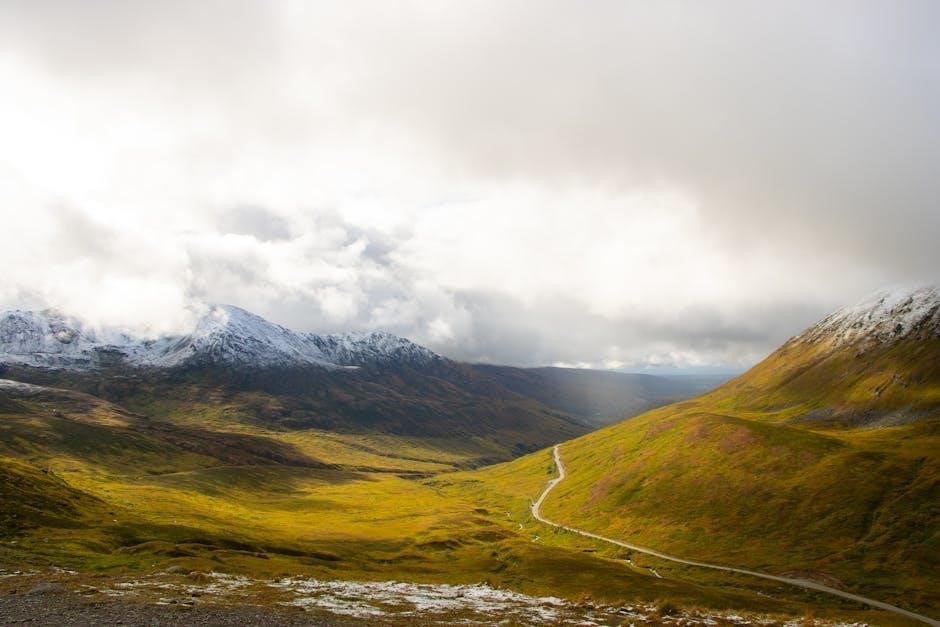
The Denali Highway (Route 8) offers exceptional, albeit rugged, roadside fishing access․ This historic route parallels the Alaska Range, providing stunning scenery and opportunities to target Arctic grayling, rainbow trout, and occasionally, lake trout in numerous unnamed lakes and rivers․
Several pull-offs and established campsites along the highway grant easy access to fishing spots․ The highway itself is largely gravel, so a high-clearance vehicle is strongly recommended․ Be prepared for unpredictable weather and bring bear spray – wildlife is abundant!
Fishing pressure is generally light, offering a more secluded experience․ Remember to consult the Alaska Department of Fish and Game regulations for specific limits and seasons․
Richardson Highway Fishing Spots
The Richardson Highway (Route 2) presents diverse roadside fishing opportunities, stretching from Valdez to Fairbanks․ Numerous pullouts and access points line the highway, offering access to rivers and lakes teeming with Arctic grayling, rainbow trout, and Dolly Varden․
Popular spots include the Gulkana River, known for its grayling, and several lakes near Paxson․ The Delta Clearwater River, further north, is renowned for its clear waters and abundant grayling․ Be mindful of changing river conditions and potential wildlife encounters – bear spray is essential․
Accessibility varies; some spots require short hikes․ Always check current Alaska Department of Fish and Game regulations for specific rules and limits before fishing․ Enjoy the scenic beauty alongside your angling adventure!
Target Species & Techniques
Alaska’s waters boast diverse fish! Master techniques for salmon, trout, and grayling, utilizing lures and understanding seasonal runs for successful roadside angling․
Salmon Fishing from the Road
Salmon are the jewels of Alaskan fishing, and many roadside locations offer excellent opportunities to target these iconic fish․ King (Chinook) salmon are prized for their size and flavor, often caught early in the season with mooching techniques or large spoons cast from accessible banks․
Sockeye (Red) salmon provide thrilling action, frequently congregating in predictable runs near bridges or stream mouths․ Utilizing brightly colored lures or flies, anglers can effectively target these aggressive fish․ Remember to check local regulations regarding bait restrictions and specific gear requirements․
Successful roadside salmon fishing requires understanding river currents and salmon migration patterns․ Observing the water for jumping fish or concentrated schools is crucial․ Patience and persistence are key, as conditions can change rapidly․ Always prioritize safety near roadways and be mindful of other anglers․
King Salmon (Chinook) Roadside Tactics
Targeting King Salmon from the roadside demands a strategic approach․ These powerful fish often hold in deeper, slower currents, making bottom-bouncing techniques highly effective․ Utilize heavy spoons, spinners, or jigs tipped with bait, ensuring they reach the desired depth․
Mooching, a technique involving slowly dragging a bait or lure along the river bottom, can also yield impressive results․ Focus on areas near obstructions like logs or rocks where Kings may ambush prey․ Early season runs often concentrate near river mouths, offering accessible fishing spots․
Strong tackle is essential to handle the King’s immense strength․ A medium-heavy rod and reel spooled with braided line are recommended․ Remember to check local regulations regarding size and bag limits, and practice responsible catch-and-release techniques when appropriate․
Sockeye (Red) Salmon Roadside Fishing
Sockeye salmon, known for their vibrant red color, present a unique roadside angling challenge․ They typically migrate in schools, often holding in faster-flowing water compared to Kings․ Effective tactics include float fishing with single eggs or small streamers, allowing your presentation to drift naturally with the current․
Casting small spinners or spoons can also be productive, especially in areas where Sockeye are actively feeding․ Look for seams and eddies where fish congregate to conserve energy․ Polarized sunglasses are crucial for spotting these fish in clear Alaskan waters․
A lighter rod and reel setup than used for Kings is generally sufficient․ Remember to adhere to Alaska’s strict fishing regulations regarding Sockeye, including bag limits and gear restrictions․
Trout & Grayling Roadside Fishing
Beyond salmon, Alaska’s roadside access offers fantastic trout and grayling opportunities․ Rainbow trout thrive in many Alaskan rivers and streams, often found in slower-moving pools and runs․ Effective techniques include fly fishing with dry flies, nymphs, or small streamers, matching the hatch whenever possible․
Spin fishing with small spinners or spoons can also yield results․ Grayling, known for their beautiful dorsal fins, prefer similar habitats and respond well to similar tactics․ Look for areas with gravel bottoms and submerged structure․
A lighter action rod is ideal for these species․ Remember catch-and-release practices are encouraged to preserve these populations, and always check local regulations․
Rainbow Trout Roadside Locations
Numerous roadside spots throughout Alaska provide excellent rainbow trout fishing access․ Along the Kenai Peninsula, the Russian River is renowned, though often crowded; however, accessible pull-offs offer opportunities․ The Swanson River Road near Sterling also provides several roadside fishing spots with good rainbow trout populations․
In Southcentral Alaska, the Matanuska River boasts roadside access points, particularly near Palmer, where rainbow trout are plentiful․ Further inland, sections of the Denali Highway offer access to smaller streams holding rainbow trout․ Always scout locations beforehand to assess conditions․
Remember to respect private property and adhere to all posted regulations․
Grayling Fishing from Accessible Banks
Alaska’s Interior offers fantastic grayling fishing from easily accessible riverbanks․ The Richardson Highway parallels several grayling-rich rivers, providing numerous pull-offs and roadside fishing opportunities․ The Delta Clearwater River, near Delta Junction, is particularly well-known for its sizable grayling population and accessible banks․
Along the Denali Highway, smaller streams and the Nenana River offer excellent grayling fishing․ Look for areas with slower currents and gravel bottoms, as grayling often congregate in these locations․ The Gakona River, also near the Richardson Highway, provides consistent grayling action․
Light tackle and small spinners or flies are effective for targeting grayling․
Pike & Other Roadside Species
Beyond salmon and trout, Alaska’s roadside waters hold diverse species․ Northern Pike are increasingly common in Southcentral Alaska’s roadside lakes and sloughs, offering exciting, aggressive strikes․ The Matanuska-Susitna Valley provides several accessible locations for pike fishing, often near the Parks Highway․
Sheefish, a unique Alaskan whitefish, can be found in some larger rivers accessible from the road system, though they are less common․ Dolly Varden and Arctic Char occasionally inhabit roadside streams, particularly in Southeast Alaska․ Keep an eye out for Burbot in larger rivers during winter months․
Larger lures and heavier tackle are recommended for pike, while smaller offerings suit other species․
Essential Gear for Roadside Anglers
Pack wisely for Alaskan adventures! Reliable rods, reels, tackle, and lures are crucial, alongside vital safety equipment and appropriate clothing for unpredictable weather․
Rod & Reel Selection
Choosing the right rod and reel is paramount for Alaskan roadside angling success․ Consider the target species; for salmon, a medium-heavy power rod, 6 to 7․5 feet long, offers the backbone needed for battling strong fish․ Graphite or composite rods provide sensitivity and strength․ A level-wind reel with a smooth drag system is ideal, capable of holding at least 200 yards of 15-30 pound test line․
For trout and grayling, a lighter action rod (5-6․5 feet) with a spinning reel spooled with 6-10 pound test line is sufficient․ Versatility is key when roadside fishing, as you might encounter multiple species․ Bring a backup reel, pre-spooled, in case of line failure or mechanical issues․ Don’t underestimate the importance of a comfortable grip, especially during long fishing sessions․ Quality components ensure durability in Alaska’s rugged environment․
Tackle & Lures
A well-stocked tackle box is crucial for Alaskan roadside fishing․ For salmon, spoons, spinners, and vibrators in various colors are effective․ Consider using lures that mimic local baitfish․ Heavy-duty hooks are essential to prevent bending or breaking during aggressive strikes․ For trout and grayling, smaller spinners, spoons, and flies (dry flies, nymphs, streamers) work well․
Don’t forget split shot weights and floats to adjust your presentation․ Bring a selection of leader material – fluorocarbon is nearly invisible underwater․ Quick-change swivels allow for rapid lure changes․ Pack a variety of sizes and colors to adapt to changing conditions․ A net is invaluable for landing fish safely․ Remember to check local regulations regarding lure types and hook restrictions․
Safety Equipment & Clothing
Alaskan weather demands preparedness․ Layered clothing is key – waterproof and breathable outer layers, insulating mid-layers (fleece or down), and moisture-wicking base layers․ Sturdy, waterproof boots are essential for navigating uneven terrain․ Don’t forget a hat and gloves, even in summer․ Polarized sunglasses reduce glare and protect your eyes․
Essential safety gear includes bear spray (and knowledge of how to use it!), a first-aid kit, a whistle, a map and compass (or GPS), and a fully charged communication device (satellite phone or personal locator beacon)․ Bring insect repellent to ward off mosquitoes and other biting insects․ A headlamp or flashlight is vital for low-light conditions․ Always inform someone of your fishing plans and expected return time․

Planning Your Trip
Maximize your Alaskan angling adventure! Consider seasonal conditions, road accessibility, and nearby accommodations for a seamless and enjoyable roadside fishing experience․
Best Time to Fish Alaska Roadside
Timing is crucial for a successful Alaskan fishing trip․ Generally, the peak season runs from late May through September, coinciding with warmer temperatures and increased fish activity․ However, specific species have optimal runs․
King salmon are typically best targeted in May and June, while Sockeye salmon peak in July and August․ For trout and grayling, June through September offers excellent opportunities․ Consider that Alaska’s interior experiences a shorter summer, with prime fishing concentrated in June, July, and August․
Early and late seasons can offer fewer crowds but potentially more unpredictable weather․ Checking historical weather patterns and recent fishing reports is highly recommended; Remember that daylight hours vary dramatically throughout the year, impacting fishing time․ Planning around optimal sunlight and fish runs will significantly enhance your roadside angling experience․
Alaska Road Conditions & Accessibility
Alaska’s vastness presents unique logistical challenges․ Road conditions can vary dramatically depending on location and season․ While the main highways are generally well-maintained, access to more remote roadside fishing spots may involve gravel or dirt roads requiring a higher-clearance vehicle․
Always check the Alaska Department of Transportation & Public Facilities (DOT&PF) website for current road closures, construction delays, and weather-related advisories before embarking on your trip․ Be prepared for potential wildlife encounters on roadways, especially during dawn and dusk․
Accessibility can be limited during winter months due to snow and ice․ Some roads may be closed entirely․ Consider a four-wheel-drive vehicle and carry essential emergency supplies, including a spare tire, tools, and warm clothing, regardless of the season․
Accommodation & Services Near Fishing Spots
Finding lodging and supplies near Alaska’s roadside fishing locations requires planning․ Options range from full-service hotels and lodges in larger towns like Anchorage and Juneau to more rustic cabins and campgrounds closer to remote fishing areas․
Reservations are highly recommended, especially during peak season (June-August)․ Many smaller communities have limited accommodation choices, so booking well in advance is crucial․ Expect higher prices in popular tourist destinations․
Services like grocery stores, gas stations, and fishing supply shops are readily available in larger towns․ However, these amenities may be scarce or nonexistent near more isolated fishing spots․ Stock up on essentials before venturing into remote areas․ Consider utilizing visitor information centers for local recommendations․
Responsible Angling in Alaska
Protect Alaska’s pristine environment! Practice Leave No Trace principles, handle fish with care, and respect wildlife and local communities for sustainable angling․
Leave No Trace Principles
Preserving Alaska’s wilderness is paramount․ Embrace the seven Leave No Trace principles to minimize your impact while enjoying roadside fishing․ First, plan ahead and prepare – know regulations and pack appropriately․ Second, travel and camp on durable surfaces, utilizing established pull-offs and avoiding fragile vegetation․
Third, dispose of waste properly; pack out everything you pack in, including fishing line and discarded bait containers․ Fourth, leave what you find – respect historical and natural features․ Fifth, minimize campfire impacts; consider using a stove instead․ Sixth, respect wildlife – observe from a distance and never feed animals․
Finally, be considerate of other visitors, ensuring a peaceful experience for everyone․ By adhering to these principles, anglers contribute to the long-term health and beauty of Alaska’s remarkable landscapes, safeguarding them for future generations to appreciate and enjoy․
Fish Handling & Conservation
Responsible fish handling is crucial for Alaska’s fisheries․ Minimize stress on caught fish to ensure their survival if released․ Wet your hands before touching fish, avoiding removal of their protective slime coat․ Use barbless hooks or crimp barbs to reduce injury․
Support the fish horizontally, avoiding dangling by the jaw․ Limit air exposure, keeping the fish in water as much as possible․ If photographing, do so quickly and gently․ Consider catch-and-release practices, especially for vulnerable species․
Adhere to size and bag limits established by Alaska Department of Fish and Game․ Properly dispose of fish carcasses away from waterways to prevent attracting predators and impacting water quality․ By practicing careful handling and supporting conservation efforts, anglers play a vital role in maintaining healthy fish populations for years to come․
Respecting Wildlife & Local Communities
Alaska’s wilderness is home to incredible wildlife; observe from a safe distance․ Never approach or feed animals, as this alters their natural behaviors and can create dangerous situations․ Be bear aware – carry bear spray and know how to use it, making noise while hiking to avoid surprise encounters․
Respect private property and obtain permission before crossing land․ Support local businesses and economies by purchasing supplies and services in nearby communities․ Be mindful of noise levels, especially in residential areas․
Learn about local cultures and traditions, showing respect for the heritage of Alaska Native peoples․ Pack out all trash and leave campsites clean, minimizing your impact on the environment and demonstrating consideration for both wildlife and the communities you visit․